How Crematories Operate: A Clear Guide for Baltimore Families
Curious about the cremation process? This guide explains how crematories work, what protections are in place, and how families are supported throughout.
When a family chooses cremation, they often want to understand what happens behind the scenes. The process is thoughtful, carefully regulated, and carried out by trained professionals who treat every person with dignity. For those considering Baltimore, MD cremations, this guide explains how crematories operate, the steps involved, and the safeguards in place to ensure respectful care.
At Hari P. Close Funeral Service, P.A., we believe peace of mind starts with knowledge. Let’s walk through what a crematory is, how it works, and what families in Baltimore can expect.
What Is a Crematory?
A crematory is a specialized facility that provides cremation using high-heat equipment, called a cremation chamber (often referred to as a retort). These facilities may be owned by funeral homes, operated as third-party providers, or part of a larger memorial organization.
Crematories follow strict operational standards for identification, authorization, and tracking throughout the entire process.
Step-by-Step: How the Cremation Process Works
While details can vary slightly by facility and local law, most crematories follow a similar sequence:
1. Authorization and Legal Requirements
Before anything can happen, the crematory must receive:
- A signed cremation authorization from the legal next of kin
- Required permits and documentation
- Confirmation of identity and custody records
These steps are essential for both legal compliance and ethical care.
2. Identification and Chain of Custody
Crematories use multiple identification checks to ensure accuracy from start to finish. Common safeguards include:
- An ID tag is assigned at intake
- Documentation at every transfer point
- A metal ID disk that stays with the person through the entire procedure
Every step is logged to protect families and maintain trust.
3. Preparation for Cremation
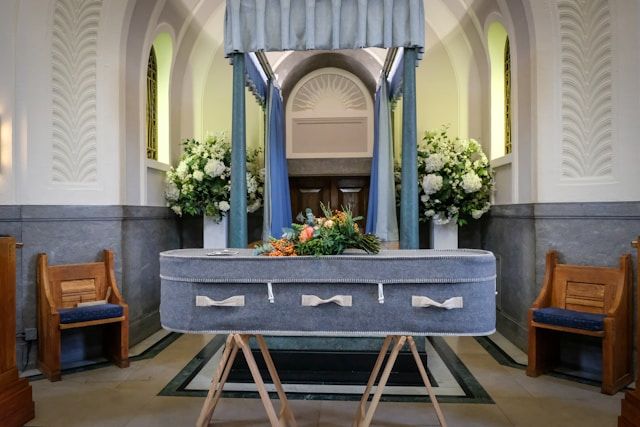
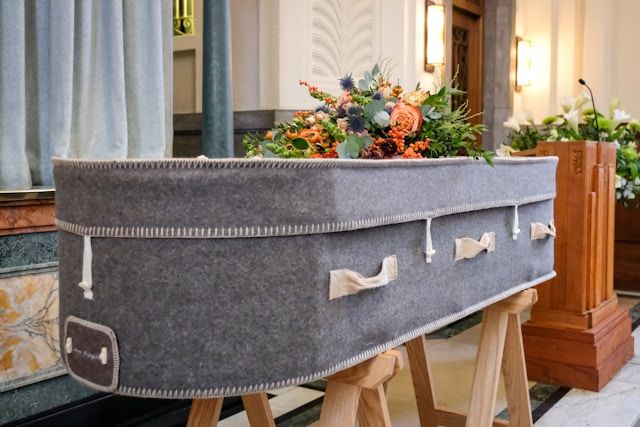
The person is placed in a cremation container suitable for the chamber. Personal items not authorized to remain are handled in accordance with family instructions and legal guidelines. The chamber is inspected before each procedure to ensure proper, clean operation.
4. The Cremation Chamber Process
The cremation chamber is preheated to a regulated temperature. Once the container is placed inside, the system carefully manages:
- Temperature consistency
- Airflow and combustion control
- Emissions filtration
Modern chambers are built to operate efficiently while meeting environmental and safety standards.
5. Cooling and Processing
After cremation, the chamber is allowed to cool. The remaining bone fragments are then respectfully processed to a fine, uniform consistency. This is what families receive back in the final container.
6. Return to the Funeral Home or Family
Once processing is complete, the crematory confirms identity again, completes final paperwork, and returns the remains to the funeral home or directly to the family, depending on arrangements.
How Crematories Maintain Safety and Respect
Crematories are built around two core promises: safety and dignity. Here’s how they uphold both:
Professional Training
Operators undergo training and certification to ensure every procedure is performed correctly and respectfully, with accurate recordkeeping throughout.
Equipment Standards
Facilities maintain:
- Routine mechanical inspections
- Regular chamber cleaning
- Secure, private custody areas
- Strict operational logs
These standards help ensure reliable outcomes and consistent care.
State Oversight and Accountability
In Maryland, crematories must comply with licensing rules, documentation laws, and inspection requirements. Families should feel empowered to ask their funeral provider about where cremation is performed and what safeguards are in place. Recent events in Maryland have reinforced the importance of transparency and strong oversight.
What Baltimore Families Should Know Before Choosing Cremation
If you’re exploring Baltimore, MD cremations, here are a few helpful questions to ask your funeral home:
- Is cremation performed in-house or through a partner crematory?
- What identification steps are used throughout the process?
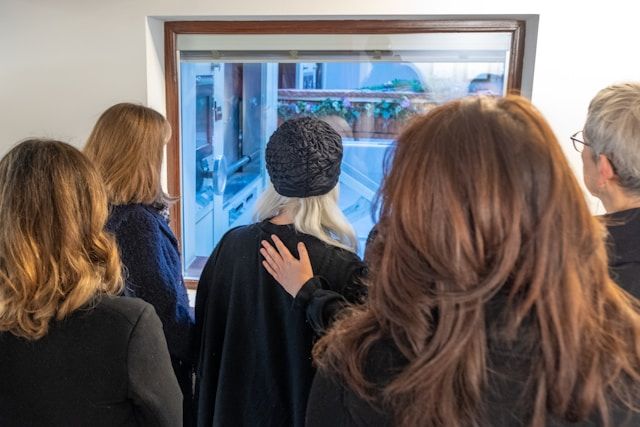
- Can the family request a viewing or ceremonial time beforehand?
- What options exist for memorialization afterward?
A trustworthy provider will welcome these questions and answer them clearly.
How Hari P. Close Funeral Service, P.A. Helps
At Hari P. Close Funeral Service, P.A., we guide families through every step with care and clarity. Whether you’re planning ahead or arranging services after a loss, our team explains your choices, handles all documentation, and coordinates cremation through a process rooted in dignity and respect.
We know that every family’s needs are different, so we take time to listen and help shape a path that feels right for you.
A Final Word
Understanding how crematories operate can ease anxiety and help families feel more confident in their decisions. Cremation is not a rushed or unclear practice—it’s a carefully managed, professionally overseen process designed to honor a loved one with respect.
If you’d like to learn more about Baltimore, MD cremations, or want to talk through options with a compassionate professional, Hari P. Close Funeral Service, P.A. is here for you. Reach out anytime, and we’ll walk with you step by step.